The anti-fiat currency movement is a worldwide phenomenon fueled by growing distrust in governments and their financial management. This skepticism is often linked to perceived governmental failures in fiscal responsibility and economic stability. The surge of this sentiment is closely related to governments’ increasing deficits and the dynamics of wealth redistribution across generational lines. This has led many citizens, particularly younger investors, to seek alternatives like cryptocurrencies and Bitcoin in particular.
Gold and silver remain important parts of the portfolio mix, and you can see that reflected in daily market flows, primarily from baby boomers and gold-focused investors who may not fully understand how blockchain works. The debate over blockchain and related technologies continues, and not everyone is convinced.
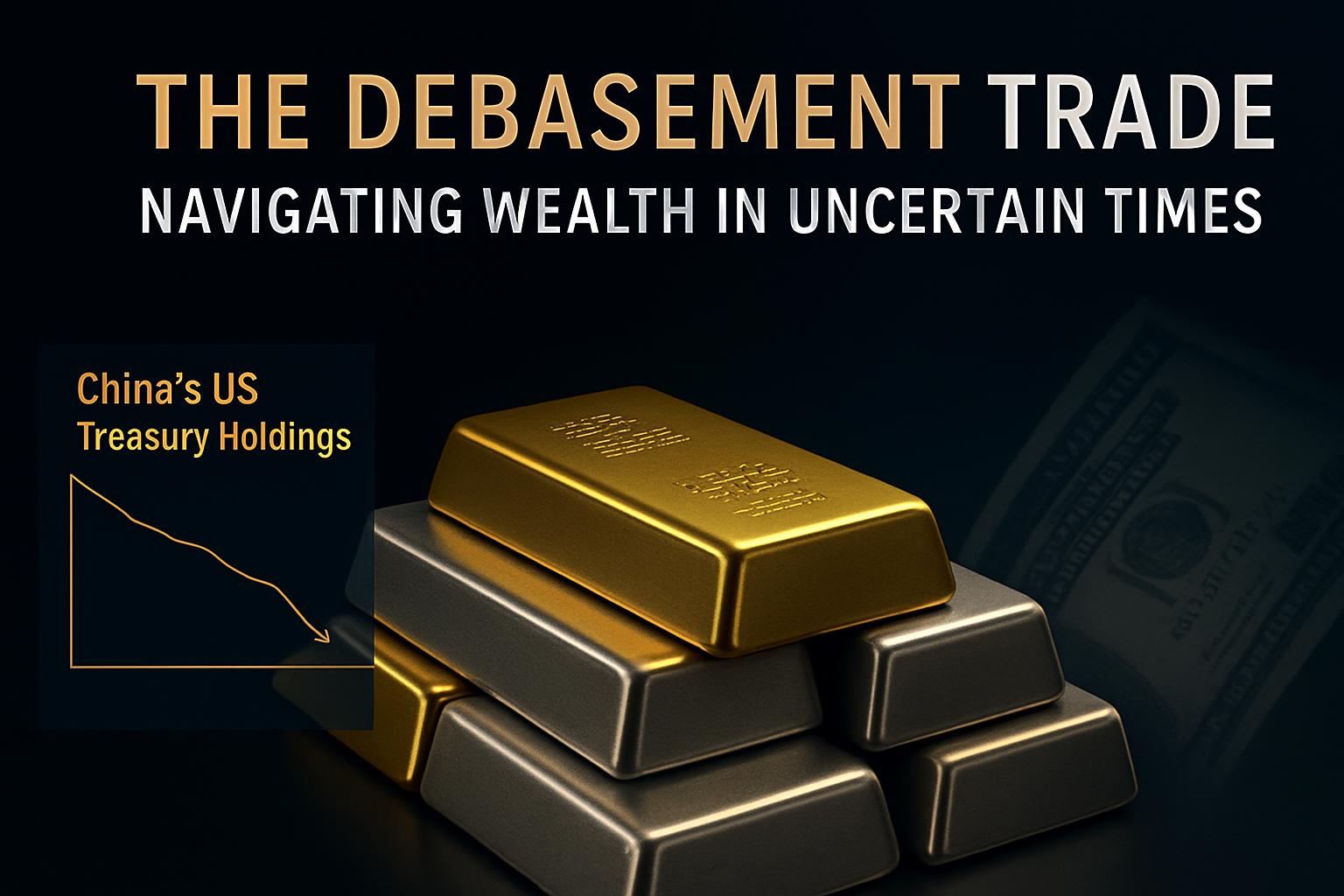
At the same time, we have been engaged with these trends since the early days of the Green New Deal in the U.S. and the European Green Deal. Those policies, designed to accelerate the transition to renewable energy, cut emissions, and stimulate sustainable economic growth, have helped create what is now commonly referred to as the “debasement trade.” In short, as governments and central banks pursue expansive fiscal and monetary measures to support the green transition, some investors have turned to tangible stores of value as a hedge against potential currency debasement and inflationary pressures.
This debasement trend is hard to ignore, it’s now one of the most persistent and robust themes in markets. Retail investors, advisers, and institutional managers alike are increasingly allocating to non‑fiat instruments.
Recent market action and commentary reinforce this view. Gold, silver, and Bitcoin have seen strong inflows and price rallies amid narratives about rising fiscal deficits, prolonged stimulus and lower-for-longer rates tied to green transition spending
Strategists say concerns over government debt and low rates are fuelling a ‘debasement’ narrative that underpins demand for real assets such as gold and silver. – Business Insider
Some headlines call it the “debasement trade,” and strategists point to hard assets and scarce digital tokens as natural hedges when confidence in fiat purchasing power wanes.
Investors are increasingly viewing gold and bitcoin as hedges against inflation and potential currency debasement, driving steady inflows into precious‑metals funds and crypto. – CNBC
Dollar moves should be read in that light: recent dollar strength looks more like a pause or a technical retracement than a structural reversal. Short‑term, technical factors can push the greenback slightly higher, but they do not erase the underlying drivers, large fiscal commitments, accommodative policy settings, and the policy feedback loop that encourages hedging behavior. As Business Insider and CNBC coverage note, the buy side of the debasement trade (hard assets) has been more pronounced than any sustained selloff in sovereign debt or the dollar.
Expect continued, selective dedollarization in certain pockets, alongside a broader, persistent migration out of fiat into alternatives: precious metals, inflation‑linked securities, selected commodities, and scarce digital assets. That mix is being amplified by easier retail access, ETF flows, and public discussion among professionals, forces that make the debasement theme self‑reinforcing in the near term.
Rallies in gold and silver, along with ETF inflows and miners’ gains, reflect a shift toward real assets amid fears of currency erosion. – Yahoo Finance

Leave a Reply
You must be logged in to post a comment.